
Tips for Choosing Planters That Help Prevent Overwatering
If plants could talk, many would probably say the same thing: “It’s not the water—it’s how long my roots stay wet.” Overwatering is one of the most common plant-care problems, and it often has less to do with how often you water and more to do with the planter itself.
Planters control how water moves, drains, and evaporates. The wrong one can trap moisture around the roots, while the right one helps soil dry at a healthy pace and keeps plants comfortable between waterings. From drainage holes and materials to size and design features, small planter choices can have a significant impact on plant health.
Whether you’re styling a patio, garden, or indoor space, understanding how home and garden planters in Delray manage moisture makes caring for your plants easier—and far more forgiving.
Why Overwatering Happens More Often Than You Think
Most overwatering starts with good intentions. You want your plants to look lush and healthy, so you water them regularly. The problem is that plants don’t always need water on a schedule.
In planters, excess water has fewer places to go. Unlike garden beds, containers can trap moisture at the bottom, especially if drainage is limited or airflow is poor. Indoors, evaporation occurs even more slowly, which means the soil stays wet for longer.
Add the wrong planter into the mix, and suddenly roots are sitting in soggy soil, which is never a good situation. Choosing planters that help manage moisture gives your plants a better chance to thrive, even if your watering habits aren’t perfect.
Look for Proper Drainage
Drainage Holes Are Essential
If a planter doesn’t have a drainage hole, it’s working against your plant. Drainage holes allow excess water to escape, preventing it from collecting at the bottom, where roots can rot.
Even drought-tolerant plants can suffer without drainage. A prolonged soak with nowhere for the water to go can cause lasting damage.
Multiple Holes vs. Single Holes
Planters with multiple drainage holes offer more consistent water flow. Instead of water pooling in one spot, it drains evenly across the base, helping prevent soggy pockets of soil.
When Decorative Planters Lack Drainage
Love the look of a decorative planter without holes? Use it as an outer shell. Place your plant in a nursery pot with drainage, then set it inside. This provides both style and function, making watering safer.
Choose Breathable Planter Materials
Terracotta and Clay
Terracotta and clay planters are naturally porous, allowing moisture to evaporate through the walls of the planter. The materials help soil dry out faster and reduce the risk of overwatering.
They’re especially great for plants that prefer drier conditions, like succulents, herbs, and many outdoor plants. Just keep in mind they may need more frequent watering in hot weather.
Fabric Planters and Grow Bags
Fabric planters allow air to reach the roots, which helps prevent water buildup and encourages healthy root growth. They are popular for vegetables and garden plants, and work especially well outdoors.
Materials That Retain Moisture
Ceramic, plastic, and metal planters tend to hold moisture longer. That doesn’t make them bad; it just means drainage becomes even more important. Pair these materials with proper holes and well-draining soil, and they can still work beautifully.
Size and Depth
It’s tempting to size up when choosing a planter, but bigger isn’t always better. Oversized planters hold more soil, which means they also hold more moisture. If the plant’s root system is small, water may linger too long in unused soil.
A planter that’s just slightly larger than the root ball is usually the safest choice. As your plant grows, you can always repot.
Depth matters, too. Deep planters are ideal for plants with long roots, while shallow planters dry out more quickly and are better suited for plants with compact root systems. Matching planter size to the plant helps keep moisture levels balanced.
Consider Planter Design Features That Help Control Moisture
Raised Bases and Planter Feet
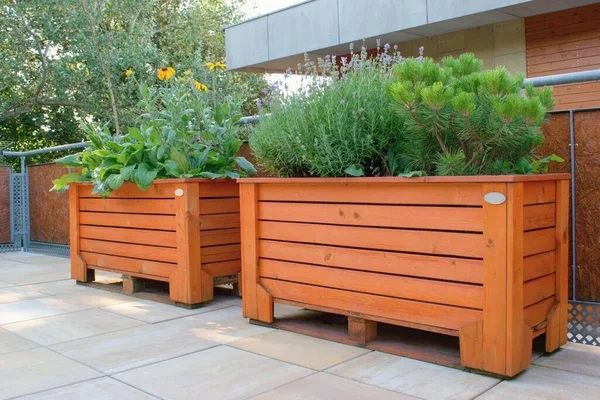
Planters with built-in feet or raised bases allow airflow underneath. This prevents water from sitting at the bottom and encourages better drainage, especially important for outdoor planters placed on patios or decks.
Self-Watering Planters (Used Correctly)
Self-watering planters include a water reservoir that allows plants to draw moisture as needed. When used properly, they can reduce overwatering.
The key is not overfilling the reservoir and choosing plants that benefit from consistent moisture.
Built-In Liners and Inserts
Some planters include liners that help separate excess water from the soil, allowing for better drainage. Such features can be helpful, but they still require proper drainage and mindful watering.
Indoor vs. Outdoor Planters: Different Rules Apply
Indoor Planters
Indoors, water evaporates slowly. There’s less airflow, less heat, and no wind to help the soil dry out. That makes drainage and breathable materials even more important.
Always use trays or saucers to catch runoff and avoid letting planters sit in standing water.
Outdoor Planters
Outdoor planters are exposed to rain, heat, humidity, and temperature fluctuations. Select materials that can withstand moisture well and allow water to drain quickly after heavy rainfall.
For garden areas and patios, planters with drainage holes, raised bases, and durable materials are a smart choice.
Don’t Forget the Setup
Even the best planter can’t fix a poor setup. Always use a high-quality potting mix designed for containers. They drain better than garden soil and help prevent compaction.
Moreover, the spot you choose can help or hurt moisture control. Plants in full sun dry out faster, while those in shaded areas retain moisture longer. Good airflow helps soil dry evenly and keeps roots healthier.
Pay attention to how your plants respond. If the soil stays wet for days, it may be time to adjust the planter, soil, or location.
Final Tips for Smarter Planter Choices
Before choosing a planter, ask a few simple questions:
- Does it have proper drainage?
- Is the material breathable or moisture-retentive?
- Is the size right for the plant?
- Will it work in this location?
The right planter won’t replace good plant care, but it makes things far more forgiving. When planters work with your environment, not against it, plants stay healthier and happier with less effort.
Style Your Space the Smart Way with Home and Garden Planters in Delray
Caribe Home offers a carefully curated selection of outdoor planters and accessories, along with furniture for dining, living, and garden areas. Beyond beautiful pieces, our team also provides design services to help you choose the right furniture and planters. We'll place them perfectly in your space for both style and function.
Contact us to explore our collection and let us help bring your outdoor vision to life!
Design Services
We offer on-site visits as part of the experience, to bring expert advice and style suggestions directly to you. We'll help you shape a personalized design plan for your outdoor space that feels elevated, inviting, and a style all your own.
Your plan can bring together pieces from our hand-selected collection of outdoor living and dining furniture, accessories, décor, and garden planters, all reflecting Caribe Home's passion for quality and Caribbean-inspired design. Prefer to see the collection in person? Visit our boutique in West Palm Beach, open Monday through Saturday from 10 AM to 5 PM.
-p-800.webp)
.webp)
.webp)
.webp)
