
How to Arrange Outdoor Furniture Around Natural Landscapes
When you live in a place surrounded by sunshine, sea breezes, and lush greenery, it only makes sense to design your outdoor space to celebrate the view. The right furniture layout can transform a simple patio or garden into an inviting, relaxing extension of the landscape itself.
Whether your backdrop is ocean blue, tropical green, or warm sandy tones, your arrangement of pieces from an outdoor furniture showroom in Fort Lauderdale should complement what’s already there, not distract from it.
Understanding the Landscape You’re Working With
Before you move a single chair, take a step back and look at what surrounds you. Every type of landscape has its own rhythm, light, and texture, and your furniture layout should work in harmony with it.
If you’re near the coast, aim to keep things open and airy. Low-profile sectionals and clean-lined loungers preserve the view of the horizon. Try wide spacing, breezy fabrics, and furniture that doesn’t block the natural flow of wind or sightlines.
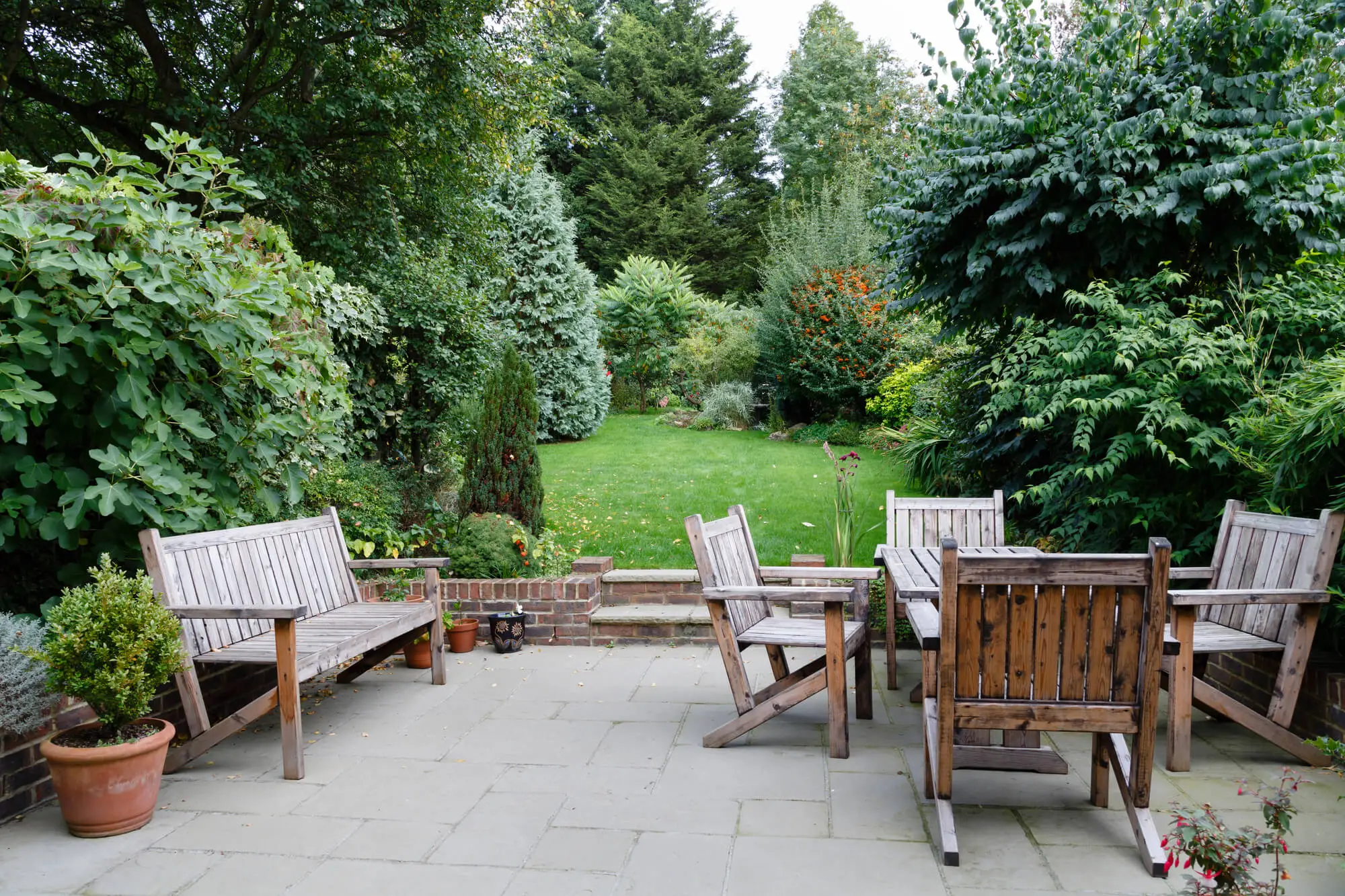
For garden settings, the goal is intimacy. Nestle chairs under leafy branches, surround your table with soft greenery, and choose rounded arrangements that make conversation feel cozy. A garden patio should feel like a private retreat tucked inside the landscape.
If you’re working with wooded or shaded areas, lean into warmth and texture: teak, woven materials, and earthy tones that echo the surrounding trees.
And for urban-natural blends (spaces framed by architecture but softened by plants) think balance. Clean silhouettes and neutral tones let both nature and design shine.
The key is to treat the environment as your blueprint. Notice where the light hits in the morning, how shadows shift throughout the day, and where your eyes naturally want to rest. Those are your design cues.
Designing for the View
Every beautiful outdoor space starts with a focal point. Maybe it’s the ocean, a pool, a sculpture, or a spectacular tree. Your furniture layout should draw the eye toward that feature.
If you have a wide, panoramic view, face your seating outward. Arrange a curved sectional or a few low-slung lounge chairs so everyone can take in the scenery without twisting around. Choose coffee tables or ottomans with open frames or glass tops, as they keep the space feeling light and uncluttered.
For vertical views like mountain ridges or tall palms, tier your furniture slightly. A raised dining area paired with a step-down lounge creates natural perspective without blocking sightlines.
If your space is enclosed by lush gardens, try circular or semi-enclosed seating. The idea is to feel surrounded by greenery rather than fenced off from it. A small bistro table framed by tall planters or flowering shrubs can feel intimate yet vibrant.
Always keep the sightline rule in mind: if you can see the horizon, or even just your favorite focal point, from a seated position, you’ve arranged your furniture well.
Balancing Form and Function
Of course, an amazing view isn’t everything. You still need a layout that feels comfortable and easy to use. Start by anchoring your space with one main feature, like a dining table, a sectional, or a pair of chaise lounges, and build around it.
For social areas, think about flow. There should be clear, natural walking paths between zones, so movement feels effortless. If guests have to step around furniture to reach the pool or dining area, it’s time to adjust spacing.
Proportion matters, too. In smaller spaces, large furniture can feel heavy and out of place. Modular or lightweight pieces are easier to reposition and keep things feeling balanced. In larger patios or pool decks, don’t be afraid of scale. Oversized sectionals and longer dining tables can ground wide, open areas beautifully.
Try to make the layout feel as natural as the setting itself. Nothing forced or overdesigned.
Working With Nature’s Features
Nature often gives you the perfect starting point; you just have to notice it.
A mature tree, for example, offers built-in shade. Place a reading chair or small table beneath it for a peaceful hideaway. Water features, whether it’s a pond, pool, or fountain, naturally draw the eye, so frame them with seating that faces inward. It creates a sense of calm and connection.
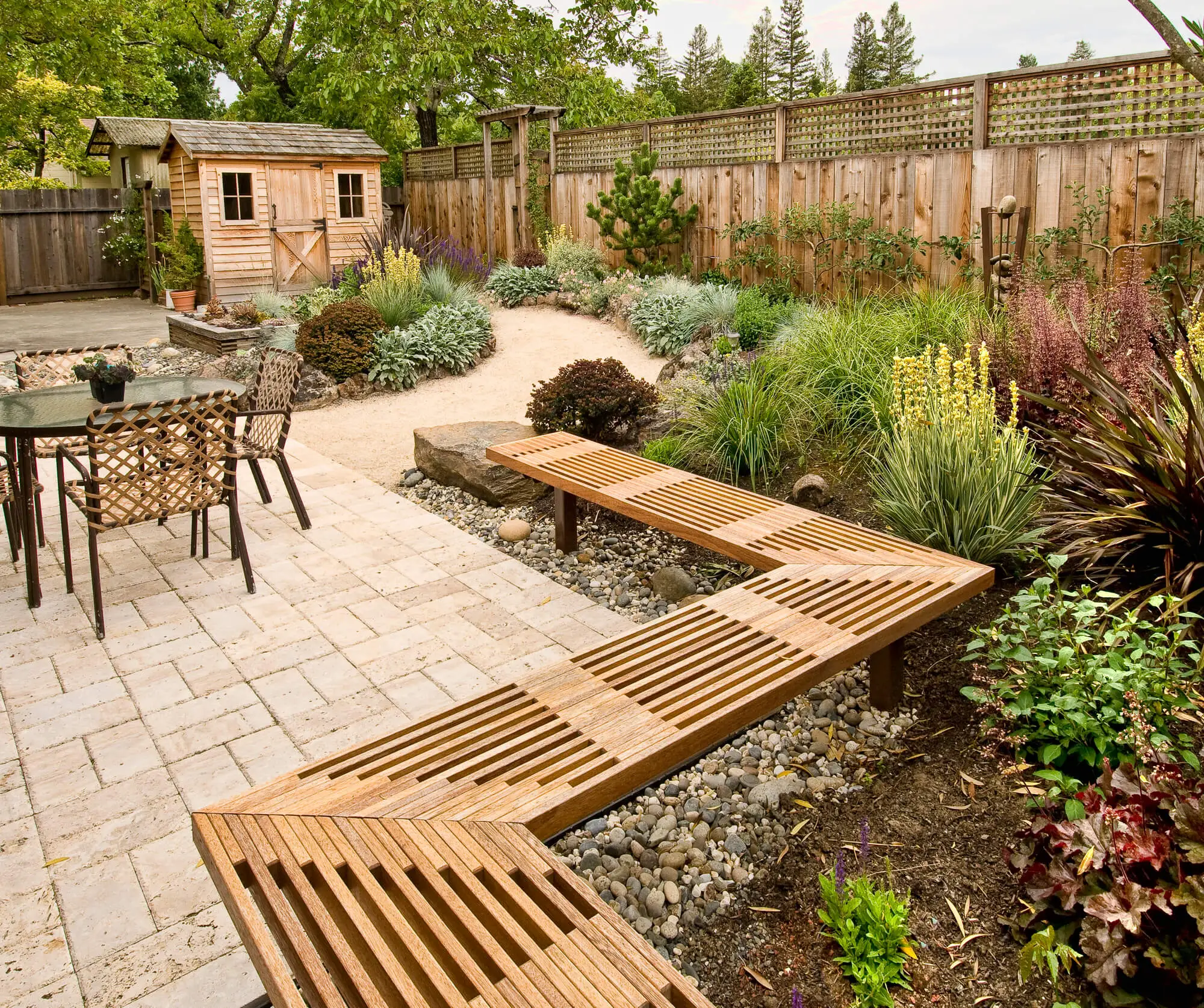
Rocks, pathways, and elevation changes can define “zones” within your outdoor area. Instead of fighting uneven ground, use multi-level decks or raised platforms to create visual interest. Arrange furniture in a way that flows with the terrain rather than flattening it.
Finally, echo the landscape in your materials and tones. Teak or ipe wood feels organic next to palms and coastal vegetation, while light stone or concrete pairs beautifully with desert plants and minimalist gardens.
When your furniture looks like it belongs in the setting, the entire space feels cohesive.
Choosing Materials and Colors That Complement Nature
Color plays a huge role in how your furniture blends into its surroundings.
For coastal homes, lean into whites, sand tones, soft blues, and greys that reflect the water and sky. Light wood or aluminum frames keep things fresh and breezy.
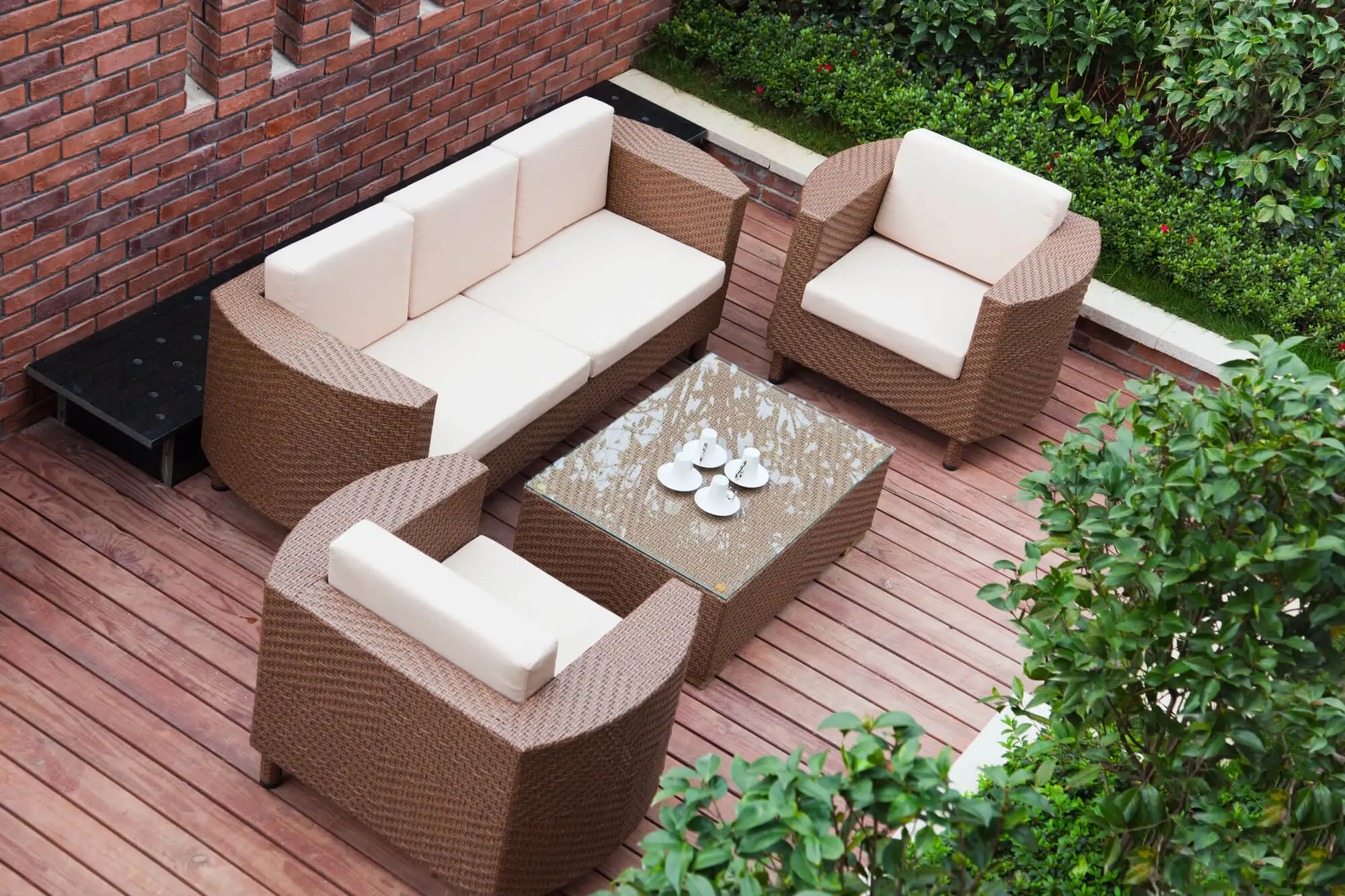
For lush gardens or tropical landscapes, use deeper greens, soft neutrals, and woven textures that mirror the foliage. Rattan chairs, teak coffee tables, and cushions in moss or sage tones.
If your backdrop is arid or desert-inspired, go for warm neutrals like terracotta, taupe, stone, and muted golds. They absorb sunlight beautifully and look timeless.
And don’t be afraid of natural aging. Materials like teak and brass develop a patina that only adds character. A little weathering makes furniture feel more integrated, as though it’s always been part of the scenery.
Lighting, Accessories, and Finishing Touches
Lighting can make or break the mood outdoors. Subtle is best: path lighting that guides the eye, string lights for ambiance, or uplighting that highlights trees and architectural details. Avoid harsh spotlights that overpower the natural glow of evening.
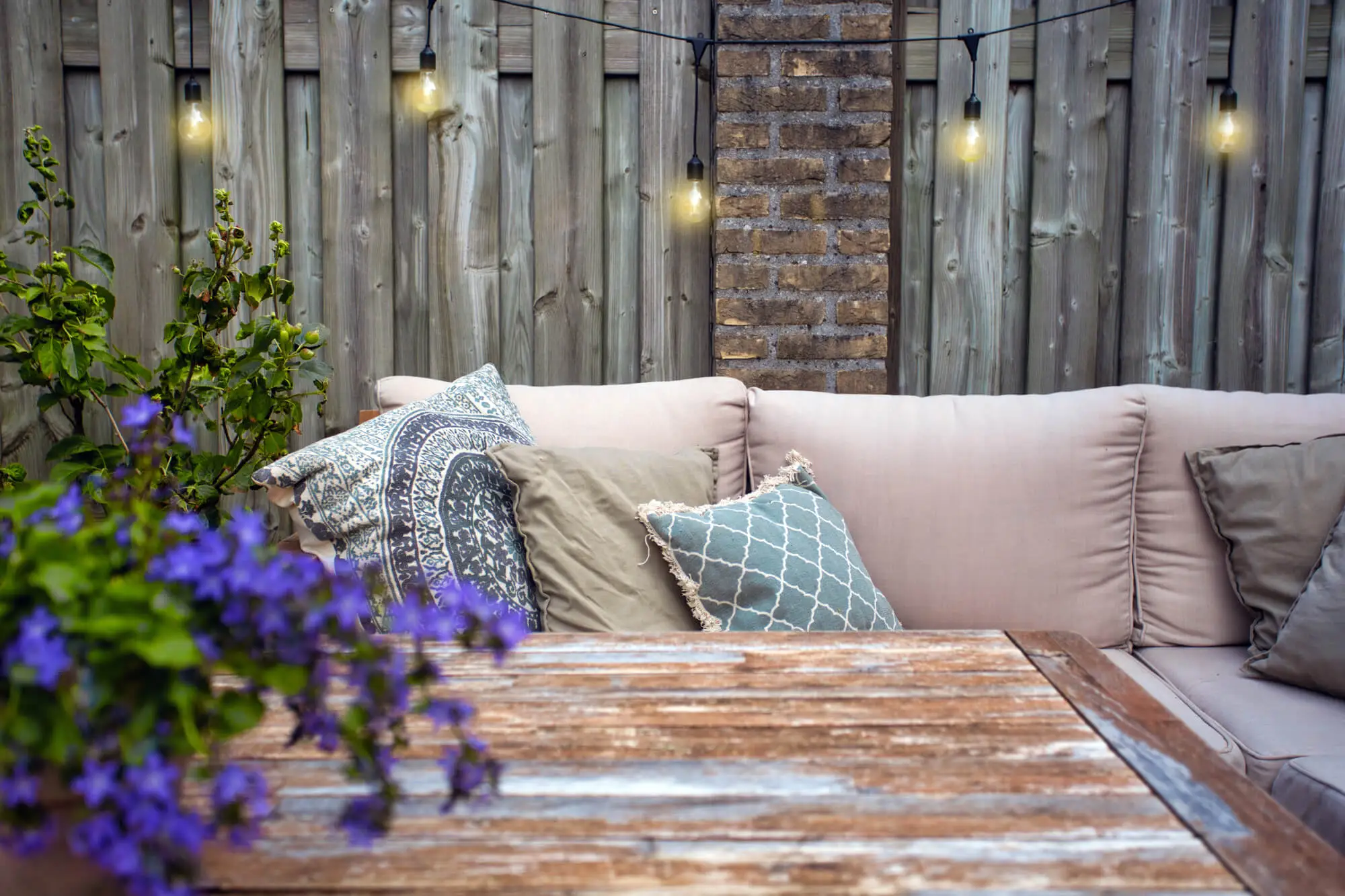
Keep accessories simple. Choose cushions and throws that add softness without overwhelming the view. Neutral tones, subtle patterns, and natural fabrics keep things cohesive.
A fire pit or water element can serve as a visual anchor, something that draws people together while complementing the landscape’s rhythm.
And if you’re tempted to keep adding décor, pause for a moment. The most beautiful outdoor spaces usually have just enough, not too much.
Transform Your Space with Pieces from Our Outdoor Furniture Showroom in Fort Lauderdale
At Caribe Home, we believe great design starts with nature. Our curated selection of outdoor furniture for dining, lounging, and garden living is chosen with both style and setting in mind.
Contact Caribe Home today to visit our showroom and explore furniture and design options that bring your outdoor landscape to life.
Design Services
We offer on-site visits as part of the experience, to bring expert advice and style suggestions directly to you. We'll help you shape a personalized design plan for your outdoor space that feels elevated, inviting, and a style all your own.
-p-800.webp)
.webp)
.webp)
.webp)
